
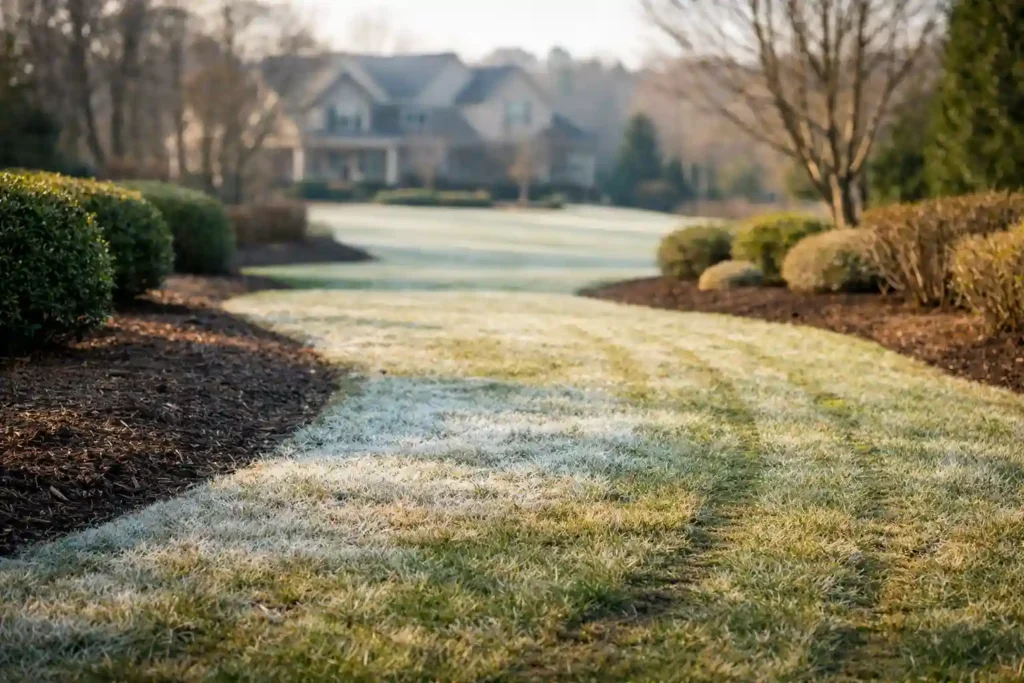
FortSmith Landscaping has been caring for lawns across Wake Forest, Raleigh, and the surrounding areas of the Triangle long enough to know this truth: a great spring lawn doesn’t start in March. It starts months earlier, when the grass is quiet, the soil is cold, and most people aren’t thinking about mowing yet.
Join our lawn care experts as we share how we prepare local lawns for Spring 2026, from winter groundwork to early spring transitions and the ongoing care that keeps turf healthy well past the first warm weekend.
Winter Lawn Preparation: Where Spring Success Really Begins
Winter is when we do some of our most important thinking, and some of our most important work. Grass may be dormant, but soil never truly sleeps. For clients who enroll in ongoing lawn maintenance programs with FortSmith Landscaping, before we begin any spring service, we look at what the lawn went through last year and what it’s likely to face next.
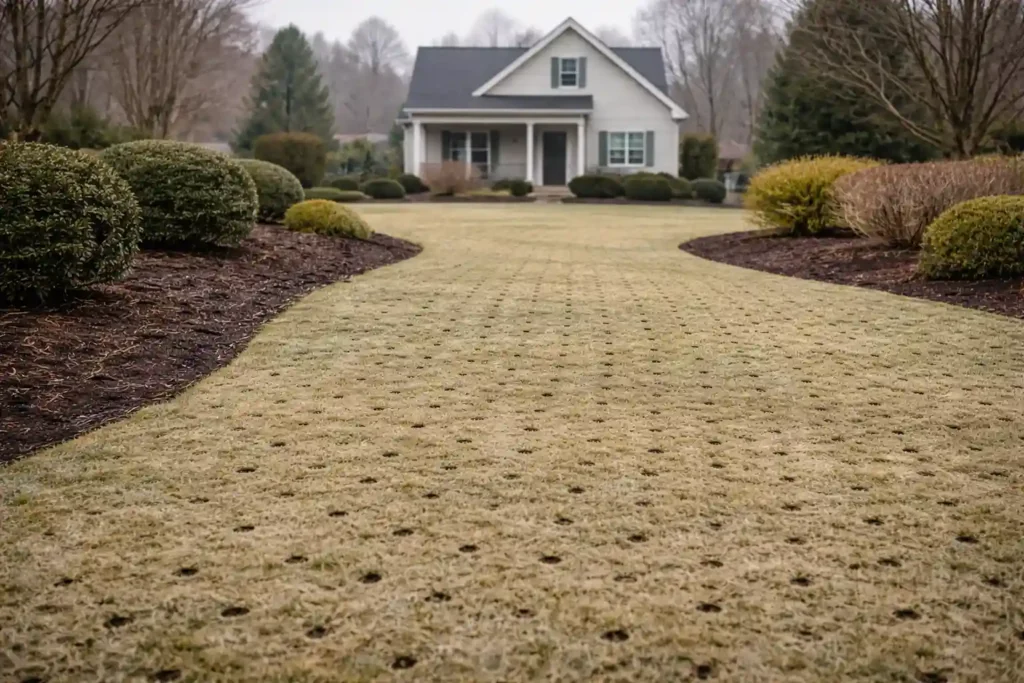
This early planning prevents us from reacting later, when fixes become more difficult and costly.
What We Evaluate During the Off-Season
Every property tells a story if you know what to look for. Winter provides a clear view of patterns that are easy to miss once grass fills in and growth obscures underlying problems.
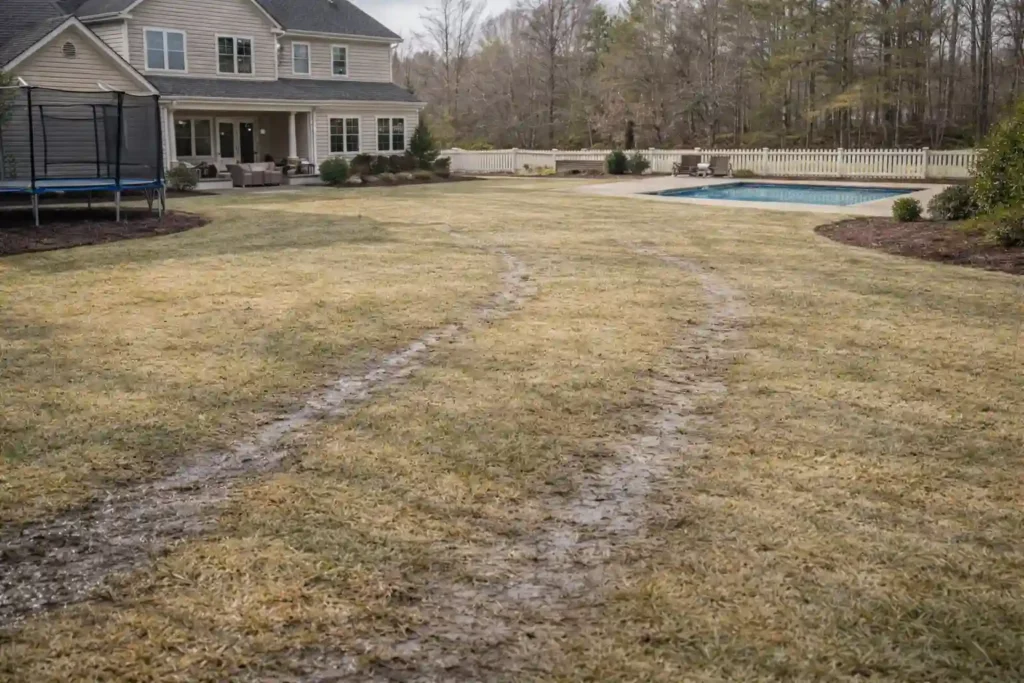
Our Wake Forest landscapers pay close attention to:
- Sun exposure after leaf drop
- Drainage patterns during winter rain
- Compaction from foot traffic or equipment
- Thinning turf from summer heat stress
- Moss, fungus, or persistent bare spots
These details help us understand why a lawn struggled or thrived the previous season, and winter is when we map out our observations and plan a treatment plan accordingly.
Soil Health Comes First
Healthy lawns grow from the ground up, literally. If the soil isn’t right, no amount of mowing or fertilizing will fix what’s happening above the surface.
During the winter months, we focus on:
- Soil testing to check pH and nutrient balance
- Identifying clay-heavy or compacted zones
- Planning soil amendments for spring applications
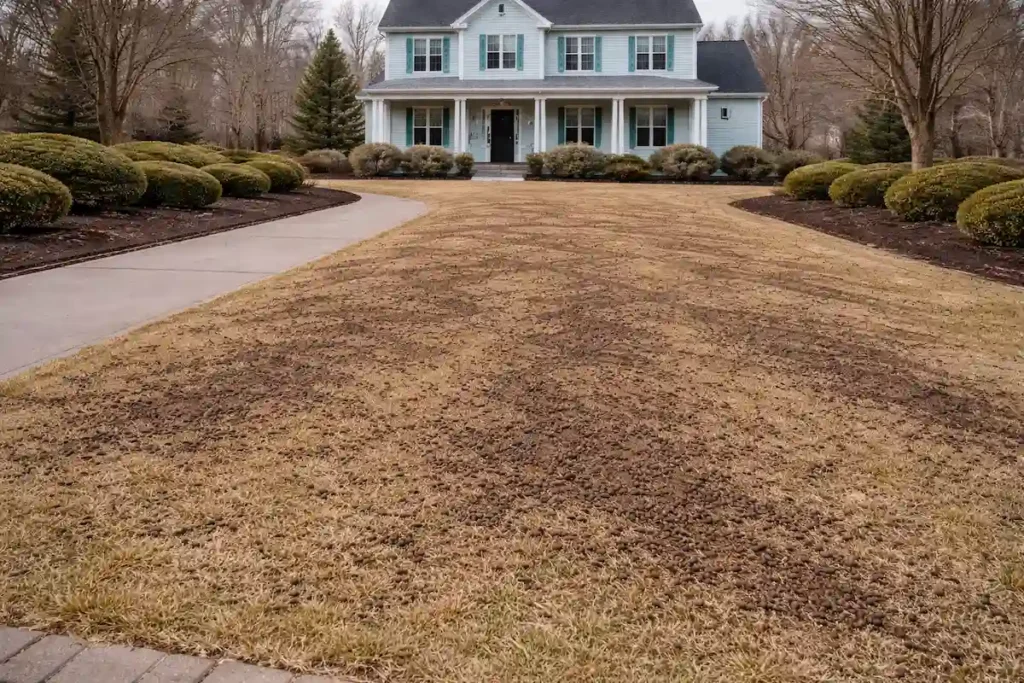
A lot of Wake Forest yards have soil that’s heavy and packed down, especially in older neighborhoods. If nothing’s done, grass has a hard time rooting and lags behind once the weather warms up. When the soil is taken care of early, the lawn responds faster, grows more evenly, and holds up better as spring rolls on.
Late Winter to Early Spring: Setting the Stage for Growth
As temperatures start to creep up, but before grass breaks dormancy, we begin active prep for spring. Timing matters. Applying treatments too early can make them sit idle; applying them too late means you’re already playing catch-up. This transition period is about precision, not speed.
Pre-Emergent Weed Control
Spring weeds don’t appear overnight. They begin germinating weeks before you ever see them, which is why proper timing makes or breaks weed control efforts.
We apply pre-emergent treatments based on:
- Soil temperature, not calendar dates
- Turf type (Bermuda, fescue, or mixed lawns)
- Weed pressure history on the property
By timing treatments to what the lawn is actually doing, we keep crabgrass and other weeds in check without pushing grass before it’s ready. Knowing when to fertilize your lawn keeps it cleaner through spring and reduces the need for corrective treatments later.
Early Clean-Up Without Overdoing It
Spring cleanup is important, but aggressive cleanup can actually cause damage to your grass if it’s rushed or heavy-handed.
Our Wake County lawn care team’s approach focuses on:
- Removing thick leaf mats and trapped debris
- Clearing hardscape edges and drainage paths
- Avoiding scalping dormant or slow-to-green turf
Going lighter keeps the soil where it belongs and helps it hold moisture. We clean things up without scraping the lawn bare right before spring.
Spring Lawn Care: What We Do as Growth Starts
Once spring actually shows up, the goal is steady growth, not rushing anything. This is the point at which many DIY plans unravel for homeowners, usually because too much happens too fast. Without specialized knowledge of how different types of grasses behave in the region and within unique property conditions, it’s difficult for non-experts to keep up with professionally landscaped lawns.
Mowing Starts With the First Cut
The first mow of the season sets the pattern for everything that follows. When done correctly, lawn mowing promotes dense growth. Done poorly, it weakens turf before summer even begins.
We adjust our mowing based on:
- Turf species and recommended height
- Growth rate as temperatures increase
- Blade sharpness to prevent tearing
Cutting too short early removes energy reserves the grass needs to rebuild its root system. Our team of professional lawn care workers takes a gradual approach, letting the lawn strengthen before tightening mowing heights.
Fertilization That Matches the Lawn Type
Different lawns want different things, especially in spring. Treating all turf the same usually leads to uneven growth and unnecessary stress.
We manage each home’s fertilization service for:
- Cool-season fescue lawns in established neighborhoods
- Warm-season Bermuda lawns in newer developments
- Mixed lawns with shaded and sunny zones
Most lawns don’t need a heavy feeding in spring. Too much nitrogen makes grass shoot up fast, but the roots stay weak, which causes problems, especially once the summer heat show up.
Core Aeration
Lawn aeration improves airflow, water absorption, and root expansion, but only when conditions call for it.
We recommend aeration when we see:
- Compacted soil that resists water
- Poor drainage after rainfall
- Thin or shallow root systems
Fall is usually best for aeration, but spring still makes sense for lawns that get walked on a lot or stay compacted year after year.
Overseeding and Spot Repairs
Spring seeding works best when it’s focused on problem areas, not spread across the whole lawn.
When overseeding, we tailor our services to:
- Bare areas from winter damage
- Edges near driveways, sidewalks, and patios
- Dog-worn zones and shaded pockets
Using region-appropriate seed blends improves establishment and helps repairs blend naturally with existing turf. This keeps lawns looking consistent rather than patchy.
Landscaping For Various Types Of Wake County Properties
No two lawns behave the same, even when they’re only a few streets apart. Soil composition, sun exposure, drainage, and property use all shape how turf responds through the seasons.
That’s why our Raleigh landscaping company doesn’t apply a single lawn care formula across every yard we service. Over the years, we’ve learned how different types of local properties need different strategies, especially heading into spring. Below is how we approach some of the most common property layouts we work with.
| Property Type | Typical Challenges | Spring Lawn Preparation Approach |
|---|---|---|
| Large Estate & Multi-Zone Lawns | Multiple sun/shade zones, slopes, long mowing paths | Section-by-section mowing strategies, rotating equipment paths, monitoring slope drainage |
| Suburban Neighborhood Lawns | Soil similarity between properties, edge compaction, weed migration | Edge health focus, compaction reduction near sidewalks, balanced fertilization timing |
| Small Residential & Townhome Lawns | Limited space, visible stress quickly, drainage pockets | Precision mowing heights, lighter treatment applications, drainage monitoring |
| Hardscape-Heavy Landscapes | Heat retention from patios, runoff concentration, soil compaction near surfaces | Edge protection, runoff management, reduced fertilization near hardscapes |
| Heavily Shaded & Tree-Covered Yards | Slower turf growth, moisture retention, reduced airflow | Higher mowing heights, lighter fertilization, airflow and moisture monitoring |
| Mixed-Use Landscapes (Beds, Mulch, Turf) | Mulch washout, soil displacement, turf nutrient competition | Bed edge stabilization, runoff direction control, protecting turf nutrient balance |
Estate lawns often look even from the road, but conditions can change a lot once you’re on the property. These yards usually have multiple grass areas, long mowing patterns, tree lines, and a mix of sun and shade that all affect how the lawn grows.
On larger properties, we work the lawn in sections. We set mowing heights carefully, change up equipment paths so soil doesn’t get packed down in the same spots, and treat different areas based on how they grow. We also watch how water moves across the property, especially on slopes, because that’s where thin grass shows up first if it’s not handled right.
Suburban lawns make up much of our clientele, and they come with their own challenges: shared soil conditions, similar turf types, and close proximity to neighboring yards.
For these properties, our lawn care team focuses on edge health, weed migration, and uniform growth. Compaction near sidewalks and driveways is common, as is uneven sunlight caused by houses and fencing. Spring work focuses on keeping growth balanced so the lawn fills in evenly without getting ahead of the mowing schedule.
Smaller lawns are often overlooked, but they require precision. With limited square footage, mistakes show up fast.
FortSmith’s expert lawn care contractors adjust mowing heights carefully, avoid heavy treatments that can overwhelm turf, and pay close attention to drainage patterns that can cause water to pool. Spring work on these properties is about control: steady growth, clean edges, and avoiding stress that leads to thinning or weeds taking hold.
Grass next to patios, walkways, retaining walls, or pool decks doesn’t behave like open lawn. Those hard surfaces hold heat, push water around, and pack the soil down.
Our spring lawn care prep focuses on:
- Protecting turf edges from heat stress
- Managing runoff from patios and hardscaped slopes
- Reducing compaction along walkways and seating areas
These lawns often need adjusted mowing patterns and lighter fertilization near hardscapes to prevent burn and root damage.
Mature trees are a defining feature of many of the neighborhoods we service, and they change everything about lawn care.
Grass in the shade grows slower and holds moisture, so it doesn’t need to be pushed the same way as sunny areas. We mow higher, go lighter on fertilizer, and watch for drainage or airflow issues. In some yards, the focus is keeping the turf steady and healthy, not forcing it to look like full-sun grass.
Many properties blend lawn areas with planting beds, mulch zones, and ornamental landscaping. These transition areas are often where problems start.
Our landscapers take care to prevent mulch washout, manage bed edges, and protect turf from soil displacement during heavy rain. Spring lawn care prep includes ensuring water flows where it should and turf isn’t competing unnecessarily with nearby plants or shrubs for nutrients.
Benefits Of Working With Our Wake Forest Lawn Care Company
Taking care of a lawn, especially one you love, can feel overwhelming. There’s timing to think about, soil quirks to understand, weather swings to plan around, and problems that don’t show up until it’s too late. That’s where a local, experienced lawn care partner makes all the difference.
At FortSmith Landscaping, our approach isn’t one-size-fits-all. We tailor our work to your property, your turf type, and North Carolina’s unique seasonal rhythm. Below are the key benefits homeowners see when they choose us to prepare, maintain, and protect their lawns.
Deep Local Knowledge of Wake County
We don’t apply standard treatments and hope for the best. Wake County’s soil is often clay-rich with variable drainage, and our winters and springs can swing between wet and dry without warning. Because we’ve worked on thousands of North Carolina lawns, we know what these conditions mean for turf health, and how to respond before issues deepen.
Services Timed To Real Conditions
A lot of lawn advice is tied to the calendar, but grass doesn’t follow dates. It reacts to soil warmth and moisture, so we schedule treatments based on real conditions in your yard, not the month on the page.
Early Detection and Preventive Care
By the time you notice a brown patch spreading, the problem has usually been building for a while. We look for early signs like thinning grass, compacted soil, drainage issues, or disease before they get obvious. Catching these problems early often means a simple fix instead of a full lawn repair later.
Customized Care for Every Property Type
Every yard is laid out differently. We adjust the work to fit the space rather than trying to make one plan work everywhere.
Honest Recommendations Without Pressure
Not every lawn problem needs an aggressive fix. We’re upfront when something can wait or when simple upkeep will do the job, which saves money and keeps the lawn on track.That kind of transparency builds trust and keeps your yard healthy without unnecessary spending.
Schedule a Free Estimate for Wake Forest Spring Lawn Care
If you want a lawn that comes in strong, not patchy, not rushed, not stressed, spring preparation starts now.
Our team at FortSmith Landscaping works with homeowners across Wake Forest, North Raleigh, Rolesville, and nearby communities to build lawns that withstand heat, humidity, and real use.
Contact us today for your FREE estimate by calling [phone] or through our online contact form to talk to a knowledgeable member of our lawn care team about your property, your goals, and what makes sense for the year ahead.