
Fall fertilization helps lawns in Raleigh, Wake Forest, and the surrounding areas recover from summer stress and prepare for cooler weather. Tall fescue grass benefits most, with 1 pound of nitrogen per 1,000 square feet recommended around mid-September and again in November. Warm-season grasses like Bermuda, zoysia, centipede, and St. Augustine grasses are slowing down for winter dormancy and need a different approach to lawn fertilization.
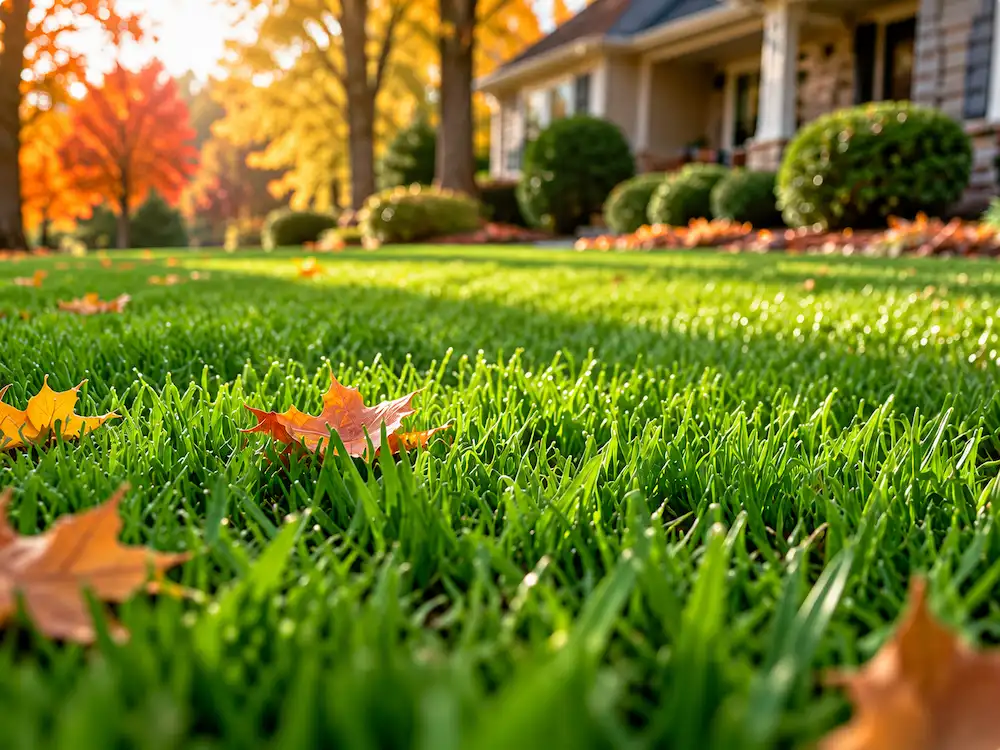
That is why the right fall lawn care plan starts with knowing what is growing in your yard.
FortSmith Landscaping is a local lawn care company that tailors property owners’ fall fertilization schedules to grass type, soil condition, and weather conditions common to the Piedmont area.
Why Is Fall Fertilization Important for Raleigh Lawns?
Fall brings cooler nights and less intense heat to Raleigh, Wake Forest, and surrounding parts of Wake County. That seasonal shift affects how our lawn fertilization technicians treat cool-season vs warm-season grasses.
Supports Tall Fescue Recovery
Tall fescue begins actively growing again as temperatures cool. Fall fertilizer provides nutrients that support root and leaf growth after summer heat, drought, foot traffic, and disease may have thinned the lawn.
Prepares Warm-Season Grass for Dormancy
Bermuda, zoysia, centipede, and St. Augustine grasses begin slowing down as temperatures drop. These lawns need a different approach because too much late-season nitrogen can encourage new growth when the grass should be preparing for winter dormancy.
Matches Fertilizer to the Lawn
The right fertilizer, rate, and timing depend on the grass type and condition of the lawn. Maintaining healthy turf through scheduled lawn fertilization helps provide nutrients at the right points in the growing season instead of relying on occasional treatments when problems appear.
Which Raleigh-Area Grasses Should Be Fertilized in Fall?
Grass type is one of the first things to identify before applying fertilization treatments of any kind. Tall fescue is common throughout the Triangle, but Wake County lawns also include several warm-season turfgrasses.
Tall Fescue Grass
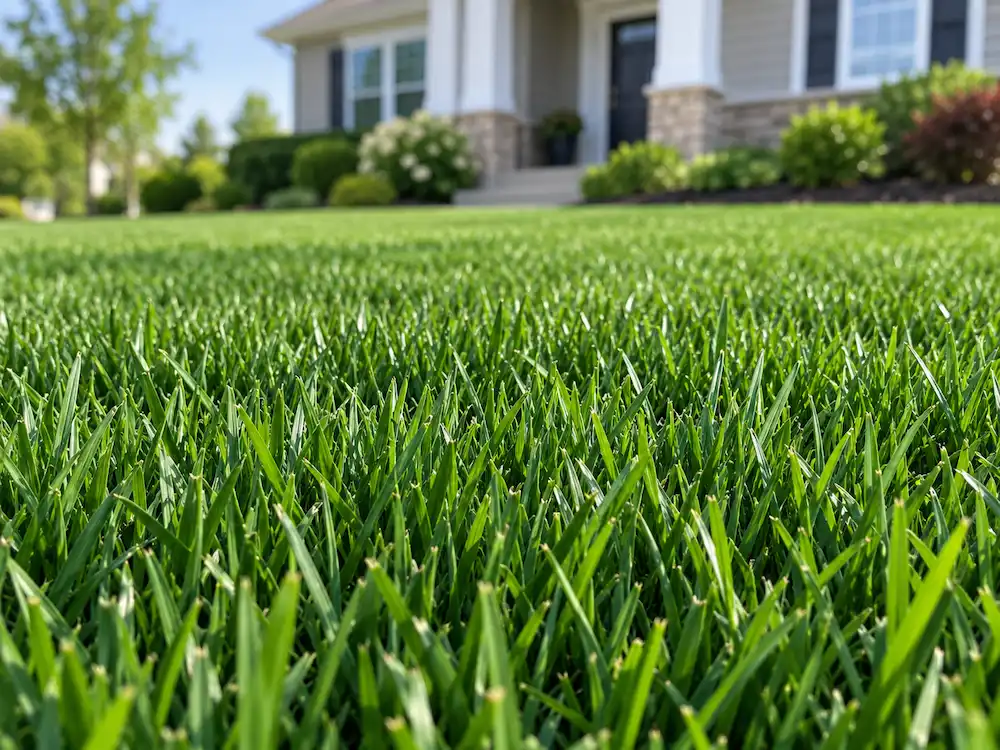
Tall fescue gets the most benefit from fall nitrogen fertilization. As outlined in the tall fescue lawn maintenance calendar published by North Carolina State University, a basic fertility program calls for 1 pound of nitrogen per 1,000 square feet in mid-September and another application in November.
The November application comes when the lawn is still green but top growth has slowed. This helps feed the grass without trying to force excessive mowing growth.
Fall is also the preferred time to repair thin fescue grass. If summer leaves bare or weak areas, fertilization can be coordinated with a core aeration and overseeding service so nutrients, seed, and improved soil access work together to support stronger, healthier growth.
Bermudagrass
Bermuda grass thrives during Raleigh’s hot summers and begins slowing down as fall arrives, and this grass type should not be fertilized like fescue.
Apply no more than 1/2 pound of nitrogen per 1,000 square feet in September, or about four weeks before the expected first frost. A low-nitrogen fertilizer with adequate potassium is usually the best choice for preparing bermuda grass in North Carolina for winter.
By late fall, nitrogen fertilization should completely stop.
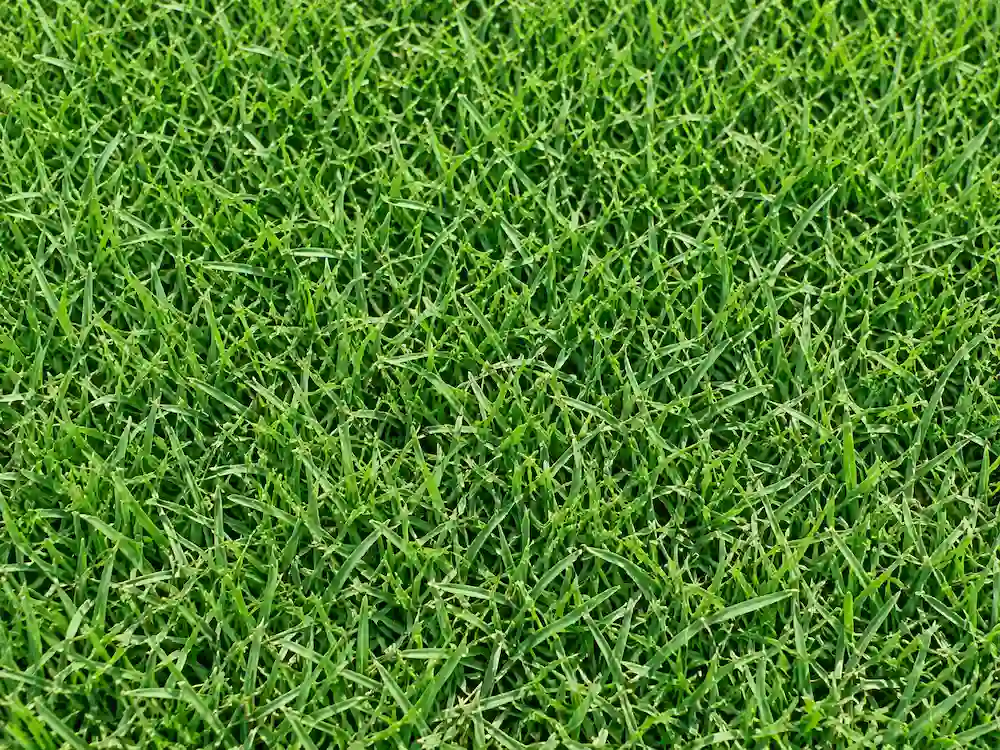
Zoysiagrass
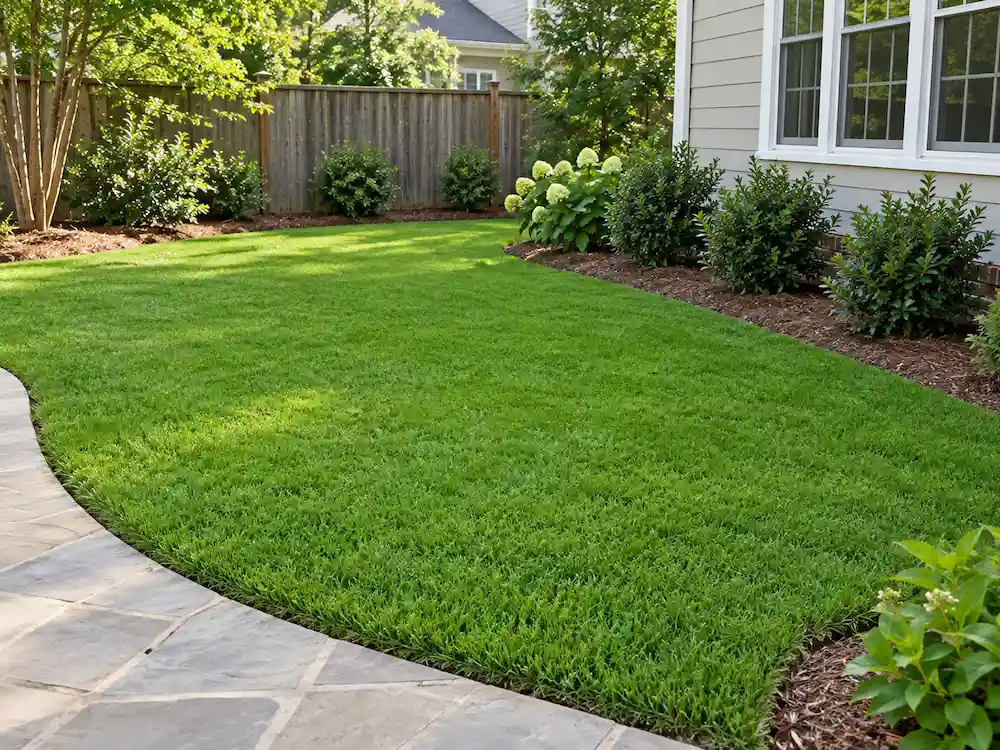
Zoysia is another warm-season grass that should not be pushed with nitrogen as dormancy approaches. Zoysiagrass should not be fertilized with nitrogen applications from September through November. Instead, potassium can be added to the lawn to support winter hardiness.
A lawn that looks less green in October is not necessarily nutrient deficient, as Zoysia naturally loses color as it moves toward dormancy.
Centipedegrass
Centipede is more common farther east in North Carolina but can be found in Triangle-area landscapes. It has relatively low nitrogen requirements, and overfertilization can create problems.
Add potassium four to six weeks before the expected first frost rather than relying on fall nitrogen.
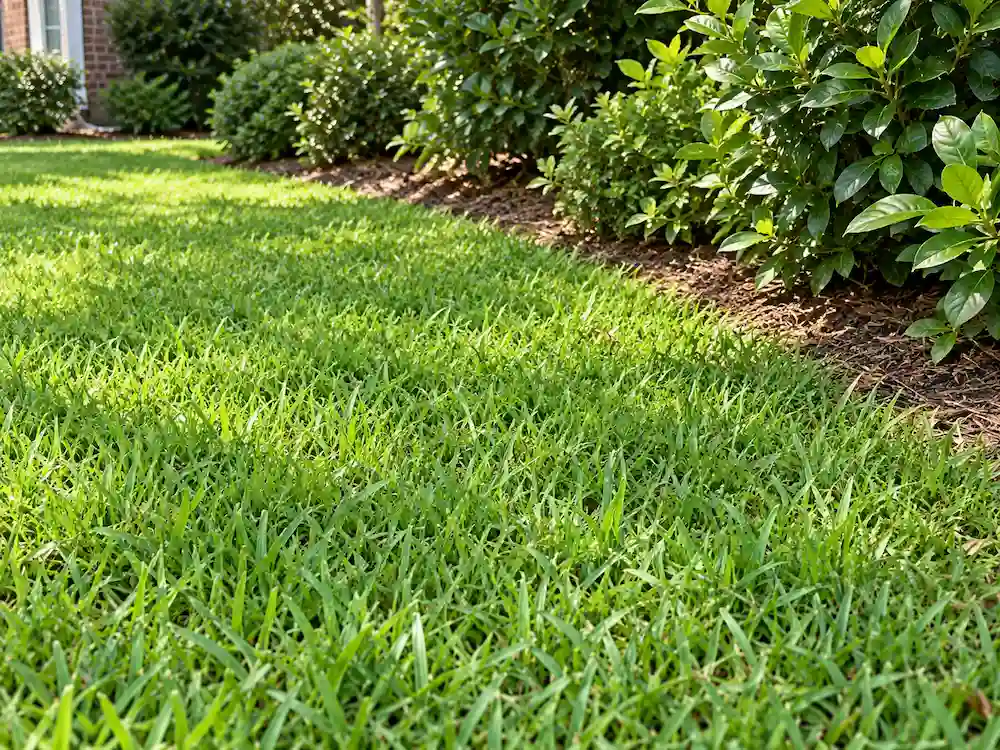
St. Augustine Grass
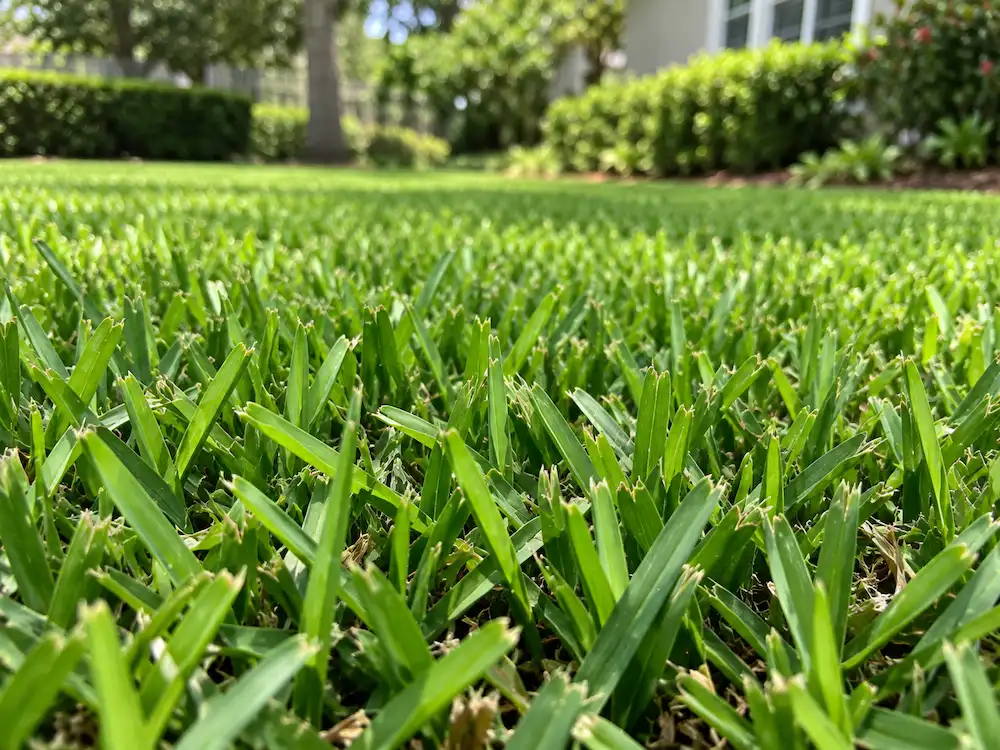
St. Augustine grass is another warm-season option seen across the Southeast, although it is less common locally than fescue, Bermuda, or zoysia.
Add no more than 1/2 pound of nitrogen per 1,000 square feet in September and do not fertilize after mid-September.
How Should You Fertilize a Raleigh Lawn in Fall 2026?
Good fertilization starts with more than choosing a bag at the garden center. The condition of the lawn, grass species, soil, previous applications, irrigation, and other maintenance all affect what should happen next.
Start With the Grass Type
Do not apply a product simply because the label says “fall fertilizer.” A formula suitable for a tall fescue lawn may provide more nitrogen than a dormant or nearly dormant zoysia lawn needs.
If different parts of the property contain different grasses, they may also need separate treatment plans.
Use a Soil Test When Nutrient Needs Are Unclear
Soil testing gives you a clearer picture of what is happening below the grass. A test can show soil pH and nutrient levels, helping determine whether the lawn actually needs fertilizer and whether lime or other soil amendments may be appropriate.
This matters because yellow, thin, or slow-growing turf is not always caused by a nutrient deficiency. Compaction, poor drainage, shade, disease, insects, drought, mowing practices, and root damage can create similar symptoms. Testing first helps avoid applying unnecessary fertilizer and makes it easier to choose a treatment based on the lawn’s actual soil conditions.
Measure the Lawn Before Applying Fertilizer
Before you spread fertilizer to the lawn, take a few minutes to measure the square footage of the yard you are treating, as this is what fertilizer rates are based on.
Guessing can lead to applying too much in one area and not enough in another:
- Too much fertilizer can burn the grass and waste product
- Too little fertilizer may not give the lawn the nutrients it needs to thrive
Once you know the lawn’s size, use the rate on the product label to calculate the right amount for that area.
Should You Fertilize Your Lawn Yourself or Hire a Lawn Care Company?
Homeowners can fertilize their own lawns successfully when they know the turf species, lawn size, appropriate application rate, and correct seasonal timing. Professional lawn care and fertilization services are useful when a yard contains mixed grasses, persistent weeds, thin turf, compacted soil, or areas that repeatedly fail to respond to fertilizer.
Benefits of Professional Fall Fertilization vs DIY Applications
Working with FortSmith Landscaping can help take the guesswork out of fall lawn care.
Our team can:
- Identify your property’s grass type and seasonal needs of the lawn
- Apply fertilizer at the correct rate and time for local growing conditions
- Recognize issues such as thinning, compaction, weeds, or poor turf response that may need more than fertilizer alone
- Coordinate fertilization with aeration, overseeding, weed control, and other fall lawn services when appropriate
- Maintain the lawn through a scheduled fertilization program rather than relying on one-time treatments
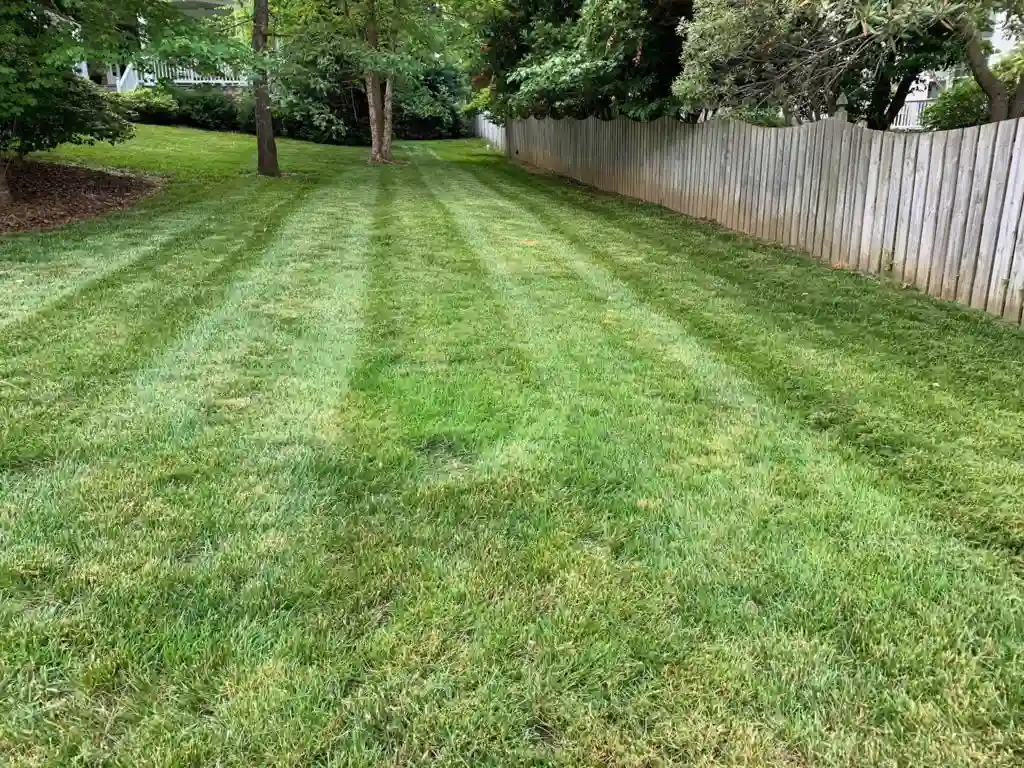
FortSmith Landscaping provides lawn fertilization and ongoing lawn care for properties in Raleigh, Wake Forest, Apex, Cary, Garner, Rolesville, and nearby Triangle communities. Our lawn care specialists will evaluate your lawn before recommending treatment, rather than relying on the same fertilizer schedule for every yard.
Fall Lawn Fertilization FAQs
The best time to fertilize a lawn in Raleigh for fall 2026 depends on the grass type on your property:
- Tall fescue commonly receives nitrogen around mid-September and again in November
- Warm-season grasses need less fall nitrogen, and some should receive none as dormancy approaches
October is not automatically too late to fertilize tall fescue in North Carolina. Fall remains an active growing period for fescue, although fertilizer timing should account for previous applications, current turf condition, and the lawn’s nutrient needs.
Fall fertilization for Bermuda grass in Raleigh should be limited as the lawn approaches dormancy. No more than 1/2 pound of nitrogen per 1,000 square feet should be applied in September or about four weeks before the expected first frost. Late-fall nitrogen applications should be avoided.
Zoysia grass should not receive nitrogen fertilizer from September through November. Potassium may be appropriate during this period, depending on your lawn’s needs.
Fertilizing around fall aeration and overseeding can support newly establishing fescue when the fertilizer matches the lawn’s nutrient needs. Aeration improves soil access, while overseeding fills thin areas. The exact fertilizer product and timing should be based on soil conditions and the existing lawn.
Knowing what fertilizer a Raleigh lawn needs starts with identifying the grass and evaluating the soil. A soil test can help determine nutrient and pH needs, while the turf species determines when those nutrients should be applied.
By scheduling a FREE consultation with FortSmith Landscaping, you can get a better idea of the best fertilization schedule that will keep your lawn healthy throughout fall and winter.
Schedule a FREE Estimate for Fall Lawn Fertilization
Fall lawn care should prepare the grass you actually have for its next stage of growth, whether that means feeding tall fescue or helping warm-season turf enter dormancy without unnecessary nitrogen.
FortSmith Landscaping provides customized lawn fertilization, aeration, overseeding, mowing, weed control, and other lawn care services throughout Wake Forest, Raleigh, and nearby Wake County areas
Call (919) 228-8495 or request a FREE estimate to discuss what your lawn needs to not just survive but thrive throughout fall 2026.